Live-in care means a trained carer moves into the home and is there around the clock. It’s the closest alternative to a care home, and the option most families don’t realise exists until someone tells them.
This guide covers how it actually works day to day — the carer’s routine, breaks and cover, what the household has to provide, the costs, and who it suits.
How live-in care works
One carer lives in the home, usually on a rota of two to four weeks on, then off, with a second regular carer covering the alternate block. Most people end up with two carers they know well, alternating — which gives both continuity and resilience.
The carer supports with personal care, meals, medication, housework, shopping, appointments and companionship. They sleep at night and are available if needed. This is the point people most often misunderstand: live-in care is not 24-hour waking care. If someone needs help several times every night, you add a separate waking-night carer alongside.
A typical day
Shaped entirely around the person, not a shift pattern. In practice:
- Morning — up when they choose, helped with washing and dressing, breakfast, medication
- Mid-morning — housework, laundry, shopping, or out somewhere
- Lunch — prepared and eaten together
- Afternoon — the carer takes their two-hour break. The person rests, has visitors, or family step in. This must be real time off
- Late afternoon — activity, a walk, company; for someone with dementia this is the point to keep calm and routine (see sundowning)
- Evening — supper, television, help getting ready for bed, night medication
- Night — the carer sleeps nearby, available for occasional disturbance
Breaks, cover and rotas
How a provider handles this tells you a great deal about them.
- Daily break: around two hours, every day. Not negotiable — a carer without proper breaks burns out and leaves, and you lose the continuity you were paying for.
- Rota changes: typically every two to four weeks. Ask for an overlap on changeover day so the incoming carer gets a proper handover.
- Sickness cover: a managed provider arranges a replacement. With an introductory agency, this is your problem — a genuinely significant difference.
- Holiday: planned in advance, covered by the alternate carer.
Ask directly: how many different carers will we meet in six months? Two or three is good. More suggests a retention problem.
What the household provides
| Required | Why |
|---|---|
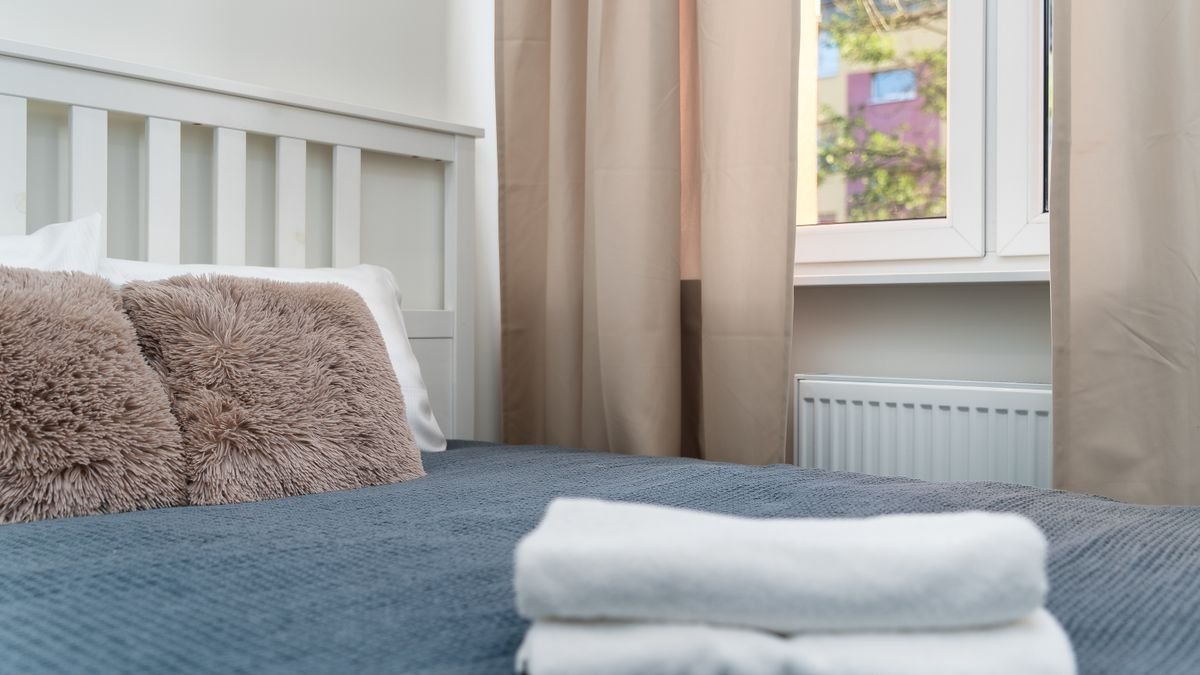
| A private bedroom for the carer | Non-negotiable. Without it, live-in care isn’t possible |
| Bathroom access | Shared is normal; privacy isn’t optional |
| Food | The carer eats with the household; a weekly allowance is agreed |
| Wi-fi / phone signal | They’re living away from their own family. Households that skip this lose good carers |
| Somewhere to take a break | Their room, or out — but genuinely off duty |
| Heating and utilities | You continue to run the household |
You do not provide a car — some carers drive and may use the person’s car if insurance allows; agree this in writing.
What it costs
Roughly £1,400–£1,700 a week in 2026, higher for complex or dementia care. Add £80–£150 a week for household running costs and the carer’s food.
Couples: one carer can usually support two people for a modest uplift rather than double. This makes live-in care substantially cheaper than two care home places, and it keeps couples together — something many care homes cannot do.
Funding: the value of your home is disregarded in the means test for care delivered at home, which frequently changes the answer. Attendance Allowance (£76.70 or £114.60 a week) is not means-tested. NHS Continuing Healthcare pays in full where there’s a primary health need. See the funding guide and the cost guide.
Who live-in care suits
A strong fit when
- Needs have outgrown visiting care, but a move isn’t wanted
- It’s a couple — the clearest case of all
- There’s a pet that can’t come to a care home
- The person has dementia and familiar surroundings are doing real work
- Night-time risk is real but occasional — falls on the way to the toilet, rather than hourly need
- Recovering from a stroke, fracture or major surgery and needing intensive short-term support
- The family wants one known person rather than a rota of visiting carers
Less suitable when
- No spare bedroom. This ends the conversation
- Help is needed several times every night — you’d need waking nights on top, and the cost climbs steeply
- Continuous registered nursing is required
- The person is isolated and actively wants community — a care home may genuinely suit them better
- The house can’t be made safe or accessible at reasonable cost
Our live-in care vs care home comparison sets the two side by side on cost and lifestyle.
Getting started
- Free assessment at home — needs, routines, preferences, the bedroom, and a written proposal
- Carer matching — on skills and on personality. Ask to be involved; you’re choosing a housemate as well as a carer
- An introduction before day one, ideally in person
- A care plan covering routine, medication, preferences and emergency contacts
- A settling-in period of one to two weeks, then a review
- Say something early if the match is wrong. A good provider will change the carer without fuss. Living with someone who doesn’t fit is worse than the disruption of swapping
Most providers will arrange a trial of two to four weeks. Unlike a care home placement — which often gets funded by selling the house — a live-in trial is genuinely reversible.
Live-in care in Worthing and Adur
a CQC-registered agency provides live-in care across Worthing and Adur, with matched carers on a consistent rota.
Frequently asked questions
What is live-in care?
A trained carer lives in the person’s home, providing support with personal care, meals, medication, housework and companionship around the clock. They sleep at night and take around two hours off each day. It’s the closest alternative to a care home without moving.
Does a live-in carer sleep at night?
Yes. They’re available for occasional disturbance but sleep in their own room. If someone needs help several times every night, a separate waking-night carer is added alongside the live-in carer.
How much does live-in care cost in 2026?
Around £1,400–£1,700 a week, higher for complex or dementia care, plus £80–£150 a week for household running costs and food. For a couple, one carer can usually support both for a modest uplift.
What does the household need to provide?
A private bedroom, reasonable bathroom access, food, wi-fi or phone signal, and genuine daily break time. Without a spare bedroom, live-in care isn’t possible.
Can we change the carer if it isn’t working?
Yes, and you should say so early. A good provider will arrange a different match without fuss. Living with someone who doesn’t fit is worse than the short disruption of changing.
How long does it take to arrange?
Typically a few days to two weeks, depending on matching. Urgent placements — a hospital discharge or a sudden loss of a family carer — can often be covered within 24 to 48 hours with a temporary carer while the permanent match is found.
The Care Panel is an independent publication. We are not a care provider and are not regulated by the Care Quality Commission, because we do not deliver care. Always check a provider’s own CQC registration and inspection report before you commit.
Written and fact-checked by The Care Panel. Last updated September 2026. Costs are indicative 2026 figures, not quotes.