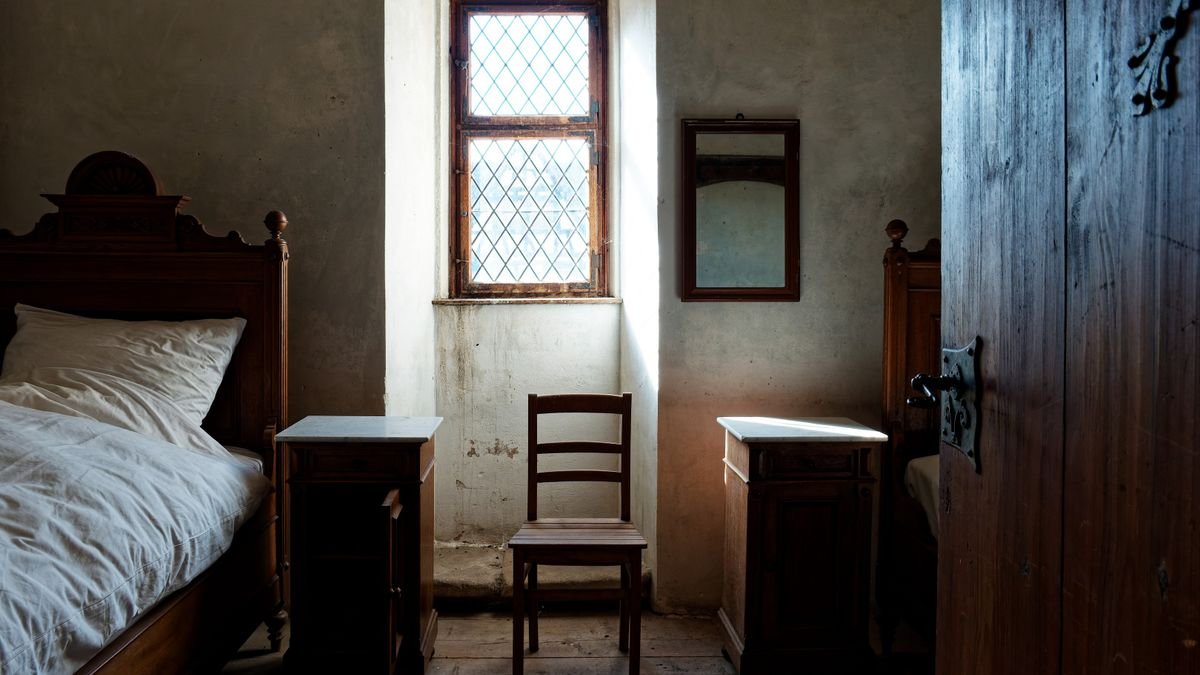
Most people, asked where they would want to be at the end of their life, say home. Fewer manage it — and the gap is usually caused by practical gaps rather than a change of heart: an unmanaged symptom at 2am, no medicines in the house, an exhausted family with nobody to call.
This guide covers what end-of-life care at home involves, what to prepare, what to expect in the final days, and what happens afterwards.
What end-of-life care means
End-of-life care is the final phase of palliative care — generally the last year of life, and most intensively the final weeks and days. The aim is comfort, dignity and the person’s own wishes being followed.
It isn’t giving up. Treatment for symptoms continues throughout; what stops is treatment aimed at cure when it no longer helps. See palliative vs end-of-life care.
What makes dying at home possible
Four things. Where families succeed, all four are in place. Where it breaks down, one is usually missing.
1. Anticipatory medicines in the house
Also called “just in case” medicines: drugs for pain, sickness, breathlessness, agitation and chest secretions, prescribed in advance and kept at home so a nurse can give them immediately.
Without them, a symptom at 3am means waiting hours for an out-of-hours prescription, and that wait is how most unwanted hospital admissions happen. Ask the GP about anticipatory medicines before you think you need them. It is the single most effective thing you can do.
2. A clear out-of-hours plan
Make sure the person is on the GP practice’s palliative care register, so the out-of-hours service can see their details and wishes. Know exactly who to ring at night — the district nursing team, the hospice line, NHS 111 — and write the numbers where everyone can see them. Without this, a frightened family dials 999, and an ambulance crew with no information has little choice but to convey.
3. Hands-on support, especially overnight
Nights are the hardest part. A carer present overnight is often what makes the difference between a family coping and a family calling an ambulance. See overnight care.
4. Funding sorted early
NHS Continuing Healthcare Fast Track provides fully funded care, with no means test, within 48 hours for someone with a rapidly deteriorating condition who may be nearing the end of life. Any clinician involved can complete the form. Ask for it explicitly. Hospice services and equipment are free. Attendance Allowance is fast-tracked at the higher rate under special rules via form SR1. See the funding guide.
Recording their wishes
- Advance Care Plan — where they want to be cared for and to die, what matters to them, who they want present.
- ReSPECT form or DNACPR, if that’s their decision. Keep it visible in the house — out-of-hours crews need to see it, not hear about it.
- Advance Decision to Refuse Treatment — legally binding if properly made.
- Lasting Power of Attorney for health and welfare, set up while capacity remains.
- Practical wishes — music, faith, who to call, whether a pet should be in the room, organ or body donation, funeral preferences.
Have these conversations earlier than feels comfortable. Families who’ve had them consistently describe the final weeks as less frightening.
What to expect in the final days
Knowing what’s normal removes a great deal of fear. Most of what follows is expected and does not mean something is going wrong.
- Sleeping much more, and becoming harder to rouse. Hearing is thought to persist — keep talking to them.
- Eating and drinking very little. This is a normal part of dying, not starvation, and forcing food or fluids can cause discomfort. Mouth care — sponges, lip balm — matters far more than intake.
- Changes in breathing — irregular, with long pauses. It looks distressing and is generally not distressing for the person.
- Noisy or rattling breathing from secretions. Repositioning helps; medication can be given. Again, more upsetting to watch than to experience.
- Cool, mottled hands and feet as circulation changes.
- Restlessness or confusion. Tell the nurse — it’s treatable, and pain or a full bladder is often the cause.
- Reduced urine output.
Call the district nurse or hospice line if the person seems in pain or distressed, if symptoms aren’t controlled, or if you simply need reassurance. That last reason is legitimate, and they’d rather you called.
What carers do at this stage
- Gentle personal care, mouth care and repositioning to keep skin comfortable
- Prompting and recording medication for the nursing team
- Watching for changes and escalating early
- Sitting with the person so they’re never alone, and so the family can sleep, shower or step outside
- Practical steadiness in the house — the washing, the tea, the front door
- Being a calm presence for people who have never done this before
Afterwards
An expected death at home is not an emergency. Do not call 999. Contact the district nurse or GP surgery — out of hours, the number on your plan. A doctor or nurse will verify the death. There’s no rush; spend time with them if you want to. The funeral director can be called when you’re ready, at any hour.
Bereavement support is available free through St Barnabas House, Cruse Bereavement Support and Marie Curie, and it’s available to you whether or not the person used hospice services.
Local support
- St Barnabas House — hospice at home, inpatient care, counselling, bereavement support
- Marie Curie — overnight nursing where available, plus a free support line
- District nursing and the GP palliative register
- Macmillan — specialist nurses, benefits advice and grants
Find care near you
Tell us your postcode and what you need help with. We pass your details to one vetted CQC-registered agency in your area — you are told who they are, and that they pay us a fee, before anything is sent.
Frequently asked questions
Can someone die at home rather than in hospital?
Yes, and most people say that’s their preference. It needs four things: anticipatory medicines prescribed in advance, a clear out-of-hours plan, hands-on support in the house including overnight, and funding sorted early — usually NHS Continuing Healthcare Fast Track.
What are the signs that someone is close to the end of life?
Sleeping much more and being harder to rouse, eating and drinking very little, irregular breathing with long pauses, noisy breathing from secretions, cool and mottled hands and feet, and reduced urine output. Most of this is expected and not distressing for the person.
Should we force food and fluids at the end of life?
No. Reduced intake is a normal part of dying, and pressing food or fluids can cause discomfort and choking risk. Mouth care with sponges and lip balm does far more for comfort.
Who pays for end-of-life care at home?
NHS and hospice services are free. Hands-on care is often funded in full by NHS Continuing Healthcare Fast Track, which is not means-tested and should be in place within 48 hours. Ask a clinician for a Fast Track assessment explicitly.
What do we do when someone dies at home?
Don’t call 999 — an expected death at home is not an emergency. Contact the district nurse or GP surgery, or the out-of-hours number on your care plan. There’s no rush; take the time you need before calling a funeral director.
The Care Panel is an independent publication. We are not a care provider and are not regulated by the Care Quality Commission, because we do not deliver care. Always check a provider’s own CQC registration and inspection report before you commit.
Written and fact-checked by The Care Panel. Last updated September 2026. Sources include NHS, NICE, Marie Curie and Hospice UK guidance. General information, not a substitute for advice from the clinicians involved in the person’s care.