Most falls advice starts with rugs and ends with a personal alarm. Both are worth doing, and neither is the main event. The single most effective thing anyone can do to stop falling is get stronger and steadier on their feet, which means exercise — specific, progressive, tailored exercise, not a walk to the shops.
This guide is ordered roughly by how much difference each thing makes, which is not the order families usually tackle them in. It also covers the part nobody plans for: what to do in the hour after a fall, and why lying on the floor for a long time is more dangerous than the fall itself.
Strength and balance: the intervention that actually moves the needle
NICE guideline NG249, published in 2024, sets the standard for falls assessment and prevention. Its central recommendation on prevention is a strength and balance exercise programme that is progressive, tailored to the individual, focused on balance, coordination, strength and power, delivered by someone trained to do it, and reviewed as the person improves.
Progressive is the load-bearing word. An exercise sheet handed out once and never revisited does very little. The programmes with evidence behind them get harder as the person gets stronger, and they run for months, not weeks. The NHS also advises strength and balance activity at least twice a week alongside daily movement.
Practically, that means:
- Ask the GP for referral to community physiotherapy or a falls service. This is free on the NHS and is the highest-value phone call in this guide.
- Look for a supervised group where one exists — Age UK West Sussex and local leisure providers run strength and balance sessions, and the group element does as much for confidence as the exercises do for muscle.
- Protect the habit. Ten minutes most days beats an hour on Saturdays. A carer or family member who does the exercises alongside the person doubles the chance they carry on.
One caution: NICE explicitly says not to use falls risk prediction tools to decide who is at risk. What matters is whether the person has fallen in the last year, whether they feel unsteady, and whether they are frightened of falling. Those three questions are worth asking directly, because almost nobody volunteers the answers.
Medicines: the risk factor hiding in the bathroom cabinet
A medication review is part of every proper falls assessment, and it is the fastest win after exercise. The drug groups that most often contribute are sedatives and sleeping tablets, some antidepressants, antipsychotics, blood pressure medicines, water tablets and anything anticholinergic. Several of them together — which is normal in the over-80s — compound the effect.
Ask the GP practice for a structured medication review and say plainly that the person is falling. Two specific things to raise: a standing blood pressure check, because a drop on standing is a common and treatable cause of falls, and whether any night sedation can be reduced, because most falls at home happen on the way to the toilet in the dark.
Eyesight, hearing and feet
Eye tests are free on the NHS from age 60, and annually for most older people. Two things to watch for. First, untreated cataracts raise falls risk, and surgery is one of the few interventions NICE names directly. Second, varifocals are a genuine hazard on stairs, because the lower part of the lens blurs the step edge — many people are safest with a separate pair of single-vision distance glasses for walking about.
Hearing loss is linked to falls too, partly through balance and partly through the mental effort of listening leaving less attention for walking. Get it checked — see sight and hearing loss support.
Feet get ignored. Long toenails, bunions and pain change how someone walks, and the NHS podiatry service exists for this. Footwear matters more than people expect:
- Slippers that are loose, backless or worn smooth are involved in a striking number of falls at home. Replace them with something that fastens and grips.
- Indoor shoes with a firm sole and a low heel beat bare feet or socks on hard floors.
- Check the soles of outdoor shoes for wear — the tread goes long before the shoe looks old.
The home itself
Home hazard assessment works best when an occupational therapist does it, which NICE also recommends. West Sussex County Council’s occupational therapy service assesses free of charge, and small items — grab rails, a second stair rail, a raised toilet seat, a perching stool — are normally provided at no cost. Bigger works go through the Disabled Facilities Grant; see home adaptations for disability.
While you wait, the changes that earn their place:
| Where | What to change |
|---|---|
| Stairs | A rail on both sides, good light top and bottom, nothing stored on the steps, carpet edges tacked down |
| Bathroom | Grab rail by the toilet and in the shower, non-slip mat, raised seat if standing is hard. Bath boards are a stopgap, not a solution |
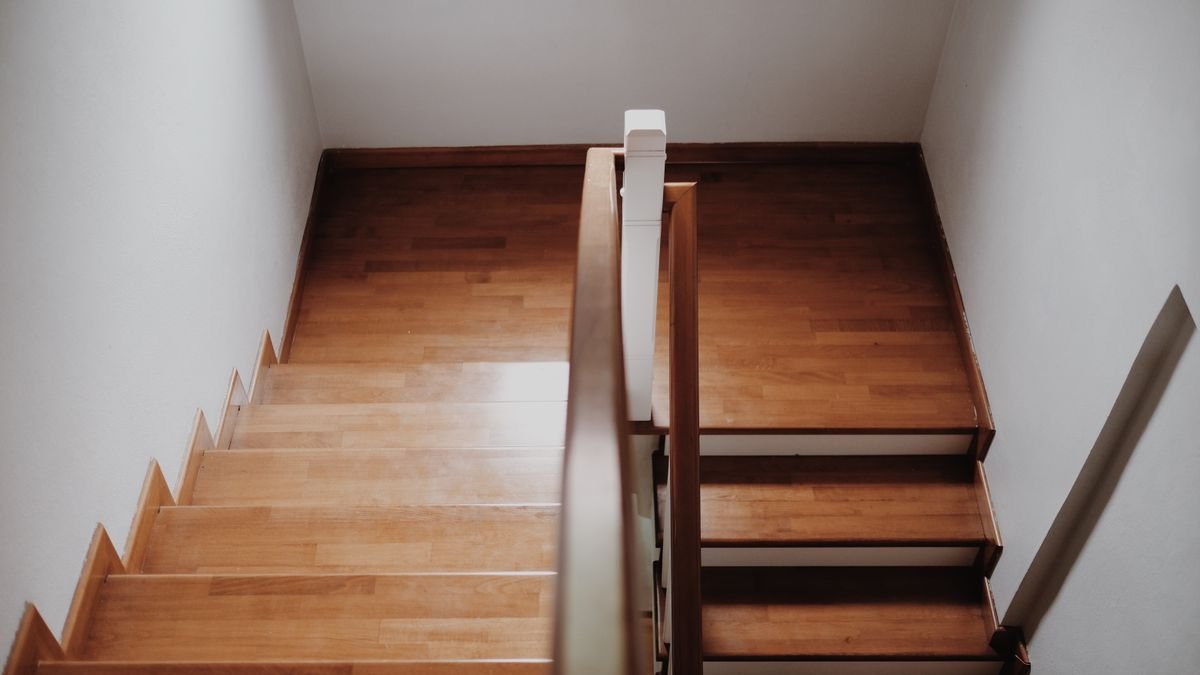
| Bedroom to toilet | A lamp within reach of the bed, a plug-in night light on the route, a clear path. Consider a commode if the walk is long |
| Floors | Loose rugs out, trailing flexes secured, the threshold strips that catch a toe replaced |
| Kitchen | Everyday items between waist and shoulder height so nobody stands on a chair |
| Outside | Handrail at the front step, a light on a sensor, moss off the path — the bins and the front door are common fall sites |
Bone health belongs here too. A fall that breaks nothing is an event; a fall that breaks a hip changes everything. Ask the GP about a fracture risk assessment, calcium and vitamin D, and whether bone protection treatment is warranted — particularly after any fracture from a standing-height fall.
Fear of falling and the downward spiral
After a fall, people move less. Moving less loses muscle. Weaker muscles mean worse balance, more falls, and more fear. Within a few months someone who was walking to the shop is not leaving the chair, and the fall risk is higher than it was before. This spiral does more harm than most individual falls, and it is invisible unless someone names it.
What helps is doing things, not reassurance. Graded return to activity, the same strength and balance programme, and company — a carer or a friend walking alongside — restores confidence faster than anything said across a kitchen table. Loneliness and inactivity travel together, which is why companionship care is part of falls prevention rather than separate from it.
Watch for the quiet withdrawals: stopping the bus, avoiding the garden, no longer answering the door, a downstairs bed appearing. Each one is a decision made out of fear, and each one makes the next fall more likely.
After a fall: the long lie and when to call 999
Call 999 if the person has hit their head, is on blood-thinning medication, has any sign of a broken bone (a leg turned outwards or looking shorter is a hip until proved otherwise), has back or neck pain, cannot be roused properly, is confused in a new way, or simply cannot get up. Do not haul someone up off the floor to see how they get on.
If they are uninjured and can get up, the safe method is slow: roll onto the side, come up onto hands and knees, crawl to a solid chair, put both hands on the seat, bring the stronger leg forward into a kneeling lunge, then push up and turn to sit. Practising this with a physiotherapist while nothing has happened is far better than improvising at 3am.
The long lie is the real danger. Lying on the floor for an hour or more brings dehydration, hypothermia, pressure damage, pneumonia and muscle breakdown that can damage the kidneys. People who have a long lie do markedly worse than people who are found quickly, regardless of what the fall itself did. NHS advice for someone stuck on the floor is to get help by phone or alarm, keep warm with anything within reach, and shift position roughly every half hour.
Afterwards, tell the GP even if nothing was broken. A fall is a referral trigger for a multifactorial falls assessment, which looks at gait, balance, strength, blood pressure, vision, cognition, continence, medicines and the home together. A fall that takes someone to Worthing Hospital or Southlands should also generate that assessment — ask about it before discharge, alongside reablement, which is free for up to six weeks and rebuilds exactly the strength that was lost.
Alarms, detectors and what visiting care changes
Technology does not prevent falls. It shortens the lie, which is a different and still valuable job. A pendant alarm only works if it is worn — the one in the drawer has saved nobody. Automatic fall detectors trigger without a button press but produce false alarms. Movement sensors, bed occupancy sensors and a video doorbell all reduce the rushing that causes falls in the first place. West Sussex County Council can advise on assistive technology as part of a care needs assessment.
Visiting care earns its keep by covering the danger points of the day rather than by being present all the time. Falls cluster: getting out of bed and up to the toilet, the first half hour after waking when blood pressure is lowest, showering, and the evening when someone is tired and the light is going. A morning call that includes a shower, an evening call that gets someone safely to bed and a commode within reach, and the night looks entirely different.
Expect £28–£38 an hour in West Sussex, with the Homecare Association’s minimum sustainable price for England at £34.42 an hour in 2026/27; see home care costs in Worthing. Where nights are the problem, a sleeping night runs around £210 and a waking night around £260 — read overnight care at home before assuming live-in care is the answer.
Find care near you
Tell us your postcode and what you need help with. We pass your details to one vetted CQC-registered agency in your area — you are told who they are, and that they pay us a fee, before anything is sent.
Frequently asked questions
What is the most effective way to prevent falls at home?
Progressive strength and balance exercise, tailored to the person and reviewed as they improve. NICE guideline NG249 puts it ahead of everything else, and the NHS advises strength and balance activity at least twice a week. Ask the GP to refer to community physiotherapy or a falls service — it is free. Home hazards and alarms help, but they come second.
Should I call 999 after an elderly person falls?
Yes if they hit their head, take blood thinners, have back or neck pain, show any sign of a fracture, seem newly confused, or cannot get up. Do not lift someone who may be injured. If they are uninjured and able, help them get up slowly via hands and knees to a solid chair, then tell the GP about the fall.
Why is lying on the floor after a fall so dangerous?
A long lie causes dehydration, hypothermia, pressure damage, chest infection and muscle breakdown that can harm the kidneys, and outcomes are worse the longer someone waits to be found. If you cannot get up, get help by phone or alarm, cover yourself with anything within reach, and change position roughly every 30 minutes.
Can medication cause falls in older people?
Often. Sleeping tablets, sedatives, some antidepressants and antipsychotics, blood pressure medicines and water tablets all contribute, and several together compound the risk. Ask the GP practice for a structured medication review, say that the person is falling, and request a standing blood pressure check — a drop on standing is common and treatable.
How do I get a falls assessment in West Sussex?
Through the GP, who can refer to community physiotherapy or a specialist falls service for a multifactorial assessment covering balance, strength, blood pressure, vision, cognition, medicines and the home. West Sussex County Council’s occupational therapy service assesses the home free, and usually supplies grab rails and similar minor adaptations at no cost.
The Care Panel is an independent publication. We are not a care provider and are not regulated by the Care Quality Commission, because we do not deliver care. Always check a provider’s own CQC registration and inspection report before you commit.
Written and fact-checked by The Care Panel. Last updated September 2026. Sources: NICE guideline NG249 on falls assessment and prevention, NHS guidance on falls, and West Sussex County Council adult social care information. General information, not medical advice.