Heart failure does not mean the heart is about to stop. It means it is not pumping as well as it should, so fluid backs up and energy runs out. Managed well, people live with it for years. Managed badly, it produces a cycle of emergency admissions — most of which were visible days in advance to anyone who knew what to look for.
This guide covers the daily routines that keep someone out of hospital, the medication problems nobody warns families about, and the point at which heart failure care becomes palliative care.
Daily weights: the single most useful thing you can do
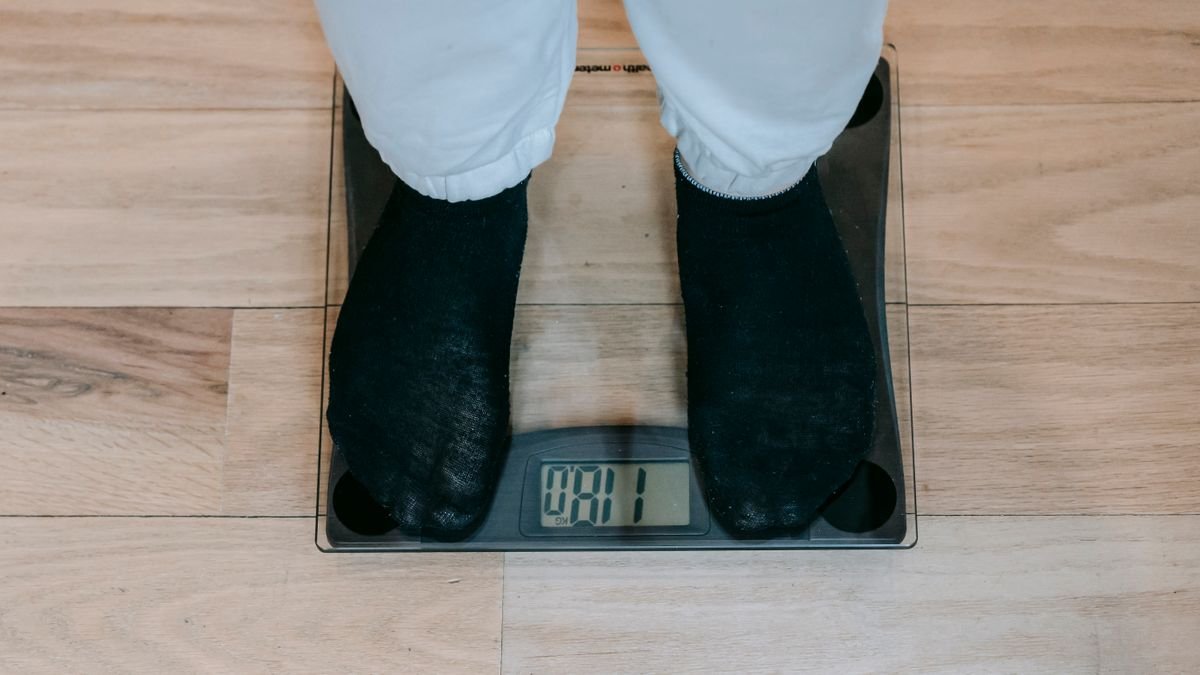
Weight is the earliest and most reliable signal of fluid building up. It moves before the ankles swell and well before the breathlessness gets bad enough to frighten anyone.
The method matters more than the scales:
- Every morning, at the same time
- After going to the toilet, before eating or drinking
- In the same amount of clothing, or none
- Written down, every day, in the same place
The number to watch is not the absolute weight but the change. Heart failure teams usually set a personal threshold — commonly a gain of around 2kg (roughly 4–5lb) over two or three days, or 1.5kg, depending on the person. Ask the heart failure nurse what the number is, write it on the chart, and ring when it is crossed. The British Heart Foundation points out that fluid retention can add as much as 3kg in a day or two, which is why a weekly weigh-in misses it.
Other early signs worth recording alongside: rings or shoes getting tight, swelling in the ankles, legs or abdomen, waking breathless at night, needing an extra pillow, a new nagging cough, or a sudden drop in what they can do.
A sudden gain is not a dieting failure. It is fluid, and it is treatable early with a phone call and a temporary change to the water tablets. Left alone, it becomes an ambulance.
Fluid and salt: take the numbers from the clinical team, not the internet
This is where well-meaning families do harm. Search online and you will find confident advice to restrict fluids to a litre and a half a day and cut salt to nothing. Neither is standard for everyone.
NICE does not recommend routine fluid restriction in heart failure. It is used for particular people — those with low sodium levels or persistent fluid overload — and the limit is set individually. Restricting fluids in someone on strong diuretics who does not need it can make them dehydrated and damage their kidneys.
On salt, the advice is to avoid adding it and to go easy on the obvious heavy sources — processed meats, tinned soups, ready meals, crisps. One specific warning: low-sodium salt substitutes are usually potassium-based, and many heart failure medicines already raise potassium. They are not a safe swap without asking first.
So the practical instruction is: ask the heart failure nurse or GP for the person’s own fluid target, salt advice and weight threshold, write all three on a card on the fridge, and ignore anything else you read.
Diuretics and the toilet problem nobody mentions
Water tablets work. They also, entirely predictably, make people need the toilet urgently and repeatedly for several hours after the dose. This one fact wrecks more sleep, more days out and more care schedules than any other part of heart failure management — and it is the most common reason people quietly stop taking them.
Things that help:
- Timing. A morning dose usually finishes its work by early afternoon. A dose taken late means a broken night. If a second dose is prescribed, ask whether it can be moved earlier — but never change the timing without asking, and never skip a dose to get through a day out.
- Getting to the toilet in time. Urgency plus slow, breathless walking plus night-time equals falls. A commode or urinal by the bed, a clear route, a plug-in night light and a raised toilet seat are cheap and prevent a great deal. See falls prevention and continence care.
- Matching care visits to the medicine. If a carer arrives at 8am and the tablet is taken at 8am, the person is left alone through the worst of it. An agency that will move a call to 10am is worth more than one that is ten pounds an hour cheaper.
- Saying it out loud. People rarely volunteer that they have stopped their water tablets because of the toilet. Ask directly. There are usually options.
Heart failure medicines are also numerous — typically four or five different classes, taken at different times, with doses that change after clinic appointments. A blister pack or dosette from the pharmacy, and a carer prompting rather than a family member guessing, avoids a lot of error. See medication management.
Recognising deterioration early
Most heart failure admissions are preceded by several days of warning. This table is worth printing.
| What you notice | What to do |
|---|---|
| Weight up by the agreed threshold over 2–3 days; ankles or abdomen more swollen; clothes tighter | Ring the heart failure nurse or GP that day |
| More breathless on usual activity; needing an extra pillow; waking up short of breath | Ring the heart failure nurse or GP that day |
| New or worse tiredness, dizziness, loss of appetite, feeling generally wrong | Ring the GP; ask whether bloods are needed |
| Severe breathlessness that does not settle, chest pain, blue lips, confusion, fainting, coughing frothy or pink sputum | Call 999 |
Most areas have a community heart failure nursing service that would far rather take an early call than see someone admitted. Find out who it is and keep the number with the weight chart.
Fatigue: the symptom that gets least sympathy
Breathlessness is visible. Exhaustion is not, and it is often the thing that limits life most. Heart failure fatigue is not ordinary tiredness and does not improve with a nap or a good night’s sleep.
What helps is the same discipline used in other long-term conditions: do the important things at the best time of day, sit for tasks that can be done sitting, break jobs into pieces, and accept help with the ones that cost the most for the least return — usually shopping, laundry, changing beds and cleaning. Handing over domestic tasks often buys back more useful hours than help with personal care does.
Gentle activity still matters. Deconditioning makes everything worse, and many areas run cardiac rehabilitation programmes that include people with heart failure. Ask the GP whether it is available locally — it is free.
Advanced heart failure is a palliative condition
This gets said too late, or not at all. Advanced heart failure carries a prognosis comparable to many cancers, and NICE supports referral to specialist palliative care for people whose symptoms are not controlled despite optimal treatment. Yet palliative services are still offered to people with heart failure far less often than to people with cancer.
Palliative care here does not mean stopping treatment. Heart failure medicines usually continue, because they are symptom control. What it adds is expert help with breathlessness, fatigue and anxiety, planning conversations, family support, and a route to care at home rather than a final admission.
Practical things to ask about:
- A referral to specialist palliative care or the local hospice — St Barnabas House in this area, and free
- Whether the person is on the GP practice’s supportive care register, which improves out-of-hours handover
- An advance care plan and, if wanted, a ReSPECT form kept visibly in the house
- Implantable defibrillators (ICDs). If someone has one, its shock function can be deactivated when it is no longer wanted. This needs discussing before the final weeks, not during them
- NHS Continuing Healthcare Fast Track funding, which is not means-tested — see palliative care at home and end-of-life care
Paying for help at home
Home care in West Sussex runs at about £28–£38 an hour, with live-in care at £1,400–£1,700 a week. Start with a needs assessment from West Sussex County Council, which is free and available to everyone regardless of savings.
Check Attendance Allowance — £76.70 or £114.60 a week, not means-tested, and unaffected by savings or income. For care delivered at home, the person’s property is not counted in the council’s means test, which surprises most families. See funding in West Sussex and what home care costs.
The British Heart Foundation publishes good plain-English information and runs a nurse helpline. Pumping Marvellous is a UK patient-led heart failure charity worth knowing about too.
Find care near you
Tell us your postcode and what you need help with. We pass your details to one vetted CQC-registered agency in your area — you are told who they are, and that they pay us a fee, before anything is sent.
Frequently asked questions
Why do people with heart failure weigh themselves every day?
Because weight rises before swelling and breathlessness become obvious, so it catches fluid building up several days early. Weigh at the same time each morning, after the toilet, in the same clothing, and write it down. Ring the heart failure nurse if the gain crosses the threshold they have set — often around 2kg over two or three days.
Should someone with heart failure restrict fluids?
Not automatically. NICE does not recommend routine fluid restriction; it is used for specific people, such as those with low sodium or persistent fluid overload, with an individual limit. Restricting fluids unnecessarily while on diuretics can cause dehydration and kidney problems. Ask the heart failure nurse for the person’s own target rather than following general advice online.
Can water tablets be taken later to avoid night-time toilet trips?
Timing can often be adjusted, but only by the prescriber. A morning dose usually finishes working by early afternoon; a late dose ruins the night. Never skip a dose to get through an outing. If the toilet trips are making someone stop their medicine, say so — there are usually alternatives, including a commode by the bed.
When should I call 999 for heart failure?
Call 999 for severe breathlessness that does not settle, chest pain, blue lips, fainting, confusion, or coughing up frothy or pink-tinged sputum. For a gradual change — weight up, more swelling, more breathless on usual activity, new exhaustion — contact the heart failure nurse or GP the same day instead.
Does heart failure qualify for palliative care?
Yes. Advanced heart failure is a life-limiting condition, and NICE supports referral to specialist palliative care when symptoms are not controlled despite optimal treatment. It does not mean stopping heart medicines. Hospice support, including St Barnabas House locally, is free. Ask the GP or heart failure nurse for a referral.
The Care Panel is an independent publication. We are not a care provider and are not regulated by the Care Quality Commission, because we do not deliver care. Always check a provider’s own CQC registration and inspection report before you commit.
Written and fact-checked by The Care Panel. Last updated September 2026. Sources include NHS, NICE guideline NG106 and the British Heart Foundation. General information, not medical advice — please speak to the GP or heart failure nurse involved in the person’s care.