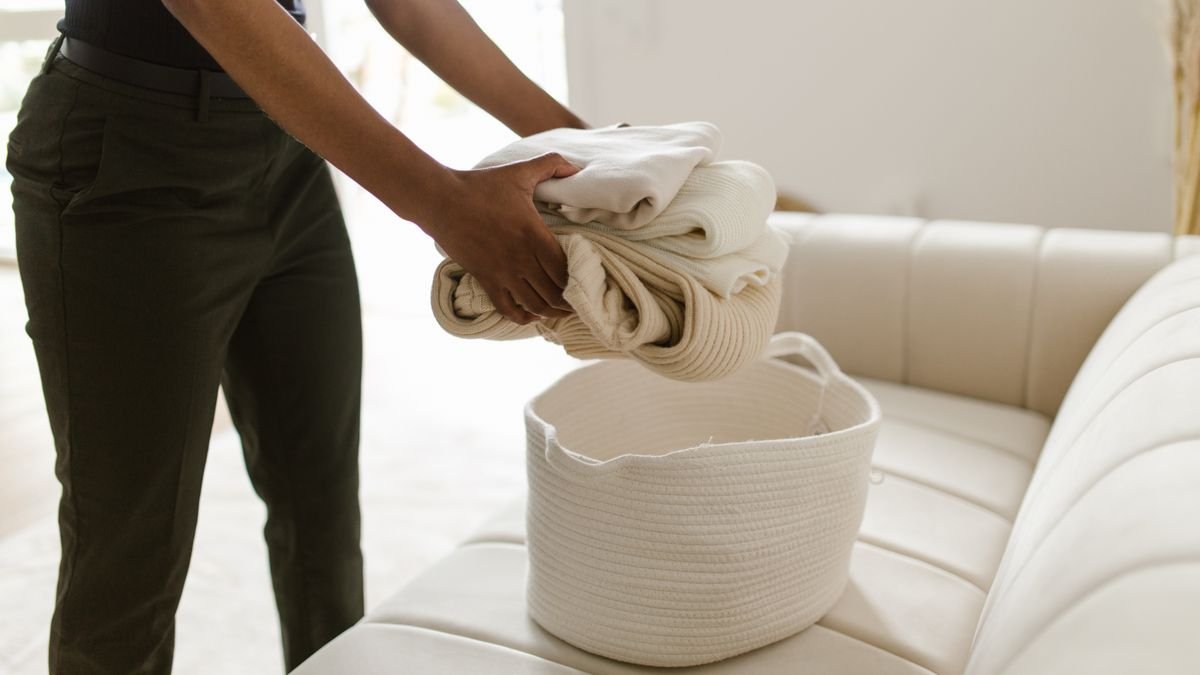
Domestic care is help with running the house — cleaning, laundry, meals, shopping, errands. It’s the most accepted form of home care and usually the first one families succeed in introducing, because it’s help with tasks rather than help with a person.
What’s included
- Cleaning — hoovering, dusting, kitchen and bathroom, floors
- Laundry — washing, drying, ironing, changing beds
- Meal preparation — cooking a meal, batch-cooking for the freezer, leaving something ready for later
- Shopping — with them, for them, or setting up and managing an online delivery
- Kitchen management — clearing out-of-date food, keeping the fridge safe
- Errands — prescriptions, post, library, dry cleaning
- Light practical help — bins out, plants watered, bulbs changed, post opened
- Pet care — feeding, litter trays, letting the dog out
Not included: personal care (washing, dressing, medication), heavy or high-level cleaning like windows and gutters, or anything requiring a tradesperson.
Why it matters more than it sounds
Housework requires energy, mobility, balance and organisation. When any of those slip, the house is where you see it first — and the consequences aren’t cosmetic:
- Falls. Clutter on the floor, piles on the stairs, trailing flexes.
- Food safety. Out-of-date food in a fridge nobody has checked, especially with memory problems.
- Infection risk from a bathroom or kitchen that hasn’t been cleaned properly in months.
- Nutrition. If cooking has become too much, diet narrows to toast and biscuits — see staying independent.
- Withdrawal. People stop inviting friends round when the house is embarrassing, which accelerates isolation.
- Mood. Living in a house that’s slipping is demoralising, and the demoralisation makes it harder to tackle.
Domestic care also preserves energy for the things that matter. Two hours of cleaning bought back is two hours of capacity for the garden, the grandchildren or a walk.
Domestic care vs a cleaner
| Domestic care | Private cleaner | |
|---|---|---|
| Cost | £28–£38/hr | £15–£25/hr |
| Trained in working with older or disabled people | Yes | Not usually |
| DBS checked, insured, supervised | Yes | Varies |
| Cover if they’re ill | Provider arranges | Your problem |
| Notices and escalates concerns | Yes | No formal route |
| Can scale into personal care later | Yes, same provider | No |
A good private cleaner is a perfectly reasonable choice for someone who is otherwise managing well, and is cheaper. The case for domestic care from a regulated provider is the wraparound: someone who notices the bruise and the unopened post, who can be safely alone with a vulnerable adult, and who can turn into a personal care package when needs change without you starting again.
What it costs, and how to pay
Standard hourly rates — typically £28–£38 an hour in West Sussex in 2026. Most people book two to four hours a week, often as one longer visit rather than several short ones, which is more efficient for both sides.
Funding notes worth knowing:
- Attendance Allowance (£76.70 or £114.60 a week, not means-tested) can be spent on domestic help.
- Council funding generally won’t cover cleaning alone. Local authorities fund eligible needs under the Care Act, and housework by itself rarely qualifies unless it’s part of maintaining a safe home alongside other needs. Don’t be surprised by this — but do have the needs assessment anyway, because the full picture may well qualify.
- Age UK and some local charities run low-cost home help schemes in parts of West Sussex — worth asking about.
See the cost guide and funding guide.
Making it work
- Book one longer visit rather than several short ones. More gets done and it costs less in travel-time overhead.
- Agree priorities, not a rigid checklist. What matters most if there’s only time for three things?
- Let them stay involved. Folding towels, sorting the washing, choosing the shopping list. Participation beats being cleaned around.
- Same person each week. They learn the house and the person notices the difference.
- Be clear about money. Receipts for every purchase, no access to cards or PINs. Ask what the provider’s policy is.
Find care near you
Tell us your postcode and what you need help with. We pass your details to one vetted CQC-registered agency in your area — you are told who they are, and that they pay us a fee, before anything is sent.
Frequently asked questions
What does domestic care include?
Cleaning, laundry and ironing, changing beds, meal preparation, shopping, kitchen management, errands such as prescriptions and post, light practical help, and pet care. It doesn’t include personal care, heavy or exterior cleaning, or tradesperson work.
Is domestic care the same as having a cleaner?
No. Domestic carers are DBS checked, insured, supervised and trained to work with older and disabled people, with cover arranged if they’re ill and a formal route for escalating concerns. A private cleaner is cheaper and fine for someone otherwise managing well.
Will the council pay for cleaning?
Usually not for housework alone, since councils fund eligible needs under the Care Act and cleaning by itself rarely qualifies. It may be included where it’s part of maintaining a safe home alongside other needs. Have the assessment regardless — the full picture may qualify.
Can Attendance Allowance be used for domestic help?
Yes. It’s paid to the person, not to a provider, and isn’t means-tested or restricted in how it’s spent. At £76.70 or £114.60 a week it covers a meaningful amount of domestic support.
How many hours of domestic care do most people have?
Typically two to four hours a week, often as a single longer visit rather than several short ones — more gets done and less is lost to travel time.
The Care Panel is an independent publication. We are not a care provider and are not regulated by the Care Quality Commission, because we do not deliver care. Always check a provider’s own CQC registration and inspection report before you commit.
Written and fact-checked by The Care Panel. Last updated September 2026.